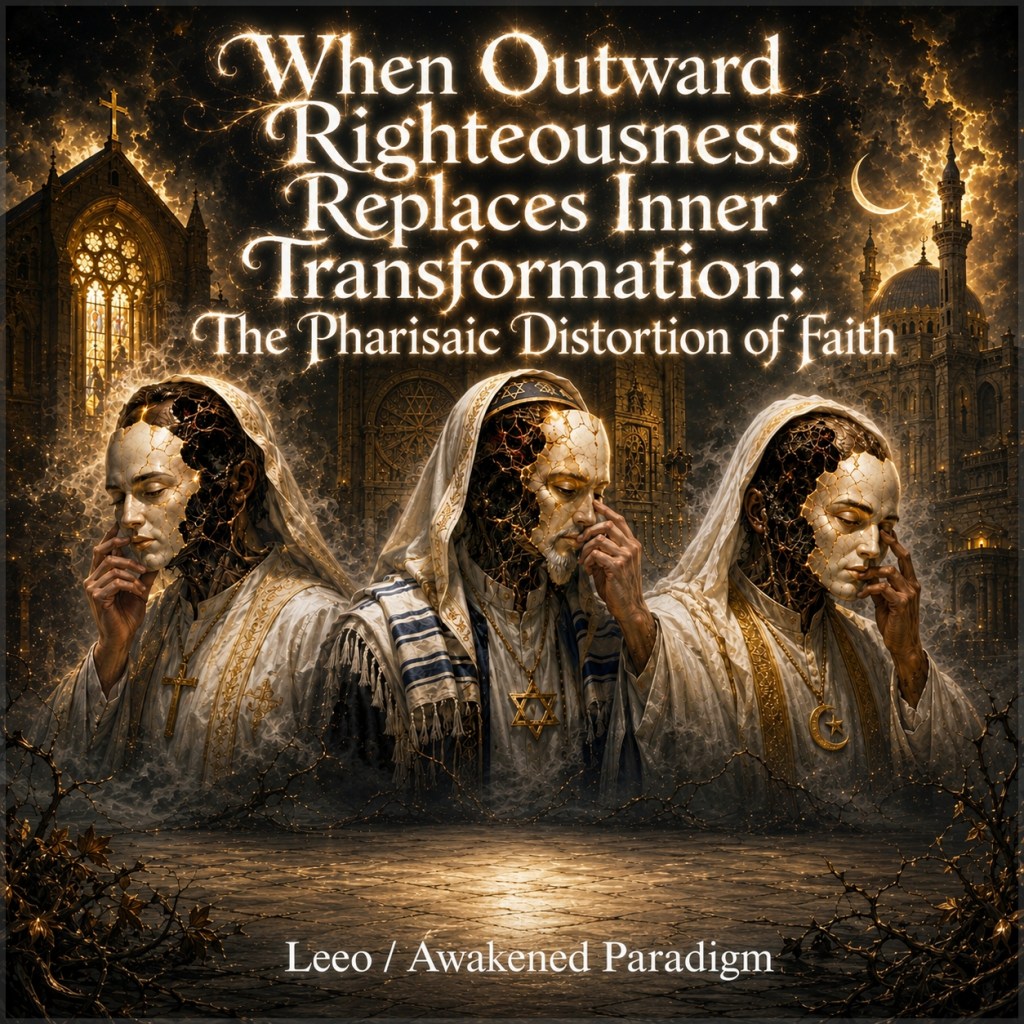
God is not impressed by the Christian label itself. This is because there is a form of Christianity in which religious identity, group belonging, public performance, political influence, and the pursuit of power can all become substitutes for actually undergoing the genuine inner transformation that is supposed to reshape a person’s character.
In this distorted expression of Christianity, people profess faith, immerse themselves in religious community, and publicly identify themselves with Jesus, but they become cruel, prideful, hard-hearted, and oppressive while believing that they are righteous. So, when it comes to their faith and the religious life that they participate in, none of that actually changes the way that they live. Instead, they use those things to reinforce the very attitudes, behaviors, and corrupted uses of power that they would be moving away from if their faith in God were genuine and it was actually transforming them in the first place.
And when Christianity begins functioning in this way—a way that is spiritually hollow beneath everything it outwardly presents as faith—people can call themselves Christians, be in community with other people, or say Jesus’s name all they want, but if there is no true spiritual transformation taking place within the hearts, souls, and minds of the people who make up these types of communities and also within the larger institutional structures that they create, then the religious label itself, the invocation of Jesus’s name, and all of the outward expressions of faith attached to those things become spiritually meaningless.
There is perhaps no clearer warning of this than Jesus’s own words in Matthew 7, where he makes it clear that even calling him “Lord,” prophesying in his name, casting out demons in his name, or claiming to have performed extraordinary works in his name does not necessarily reveal whether a person has actually been inwardly transformed by their relationship with God. People can still do all of that and be cruel, prideful, hard-hearted, oppressive, and deeply corrupted in the way that they exercise power over other human beings, all while remaining completely convinced that their religious identity and outward displays of faith make them righteous in the eyes of God.
But the truth is, they are not righteous simply because they identify themselves as Christians, invoke the name of Jesus, or immerse themselves in the communities, practices, and institutions associated with their faith. Because if their relationship with God leaves them comfortable using religious, social, or political power to inflict harm upon other people rather than cultivating the integrity, humility, compassion, and moral responsibility that is necessary to exercise power without abusing it, then the very character of their lives contradicts the righteousness that they are claiming to possess.
That is why God does not care nearly as much about the religious labels people attach themselves to, how involved they are in religious community, or even how loudly they proclaim the name of Jesus. What matters far more is whether their professed relationship with the Divine has actually transformed their character, deepened their conscience, and changed the way that they exercise power and treat other human beings. Because when that transformation is missing, a person can call themselves a Christian their entire life, speak constantly about Jesus, and surround themselves with every outward symbol of faith, community, and religious belonging imaginable. But if none of it produces a more righteous way of living and a genuine turning away from the corruption, exploitation, and abuse of power that can bring real harm into the lives of other human beings, then the label, the invocation of Jesus’s name, and all of those outward expressions of faith cannot substitute for the spiritual substance that was supposed to exist beneath them.
Collective Abuse, Destructive Cults, Liberation, Reflections, Religion, Society, Sovereignty, Spirituality
When the Christian Label Becomes Spiritually Meaningless: Performative Faith, Corrupted Power, and the Absence of Genuine Inner Transformation
3–4 minutes