Many religious parents who don’t have that close of a relationship with their children beyond surface-level appearances, those relationships are often that way because the parent operated as a tyrannical control freak within the home as they were raising their children—refusing to psychospiritually develop themselves as a soul, while embodying everything but Christ in their parenting style. This means that their version of “faith” became a weapon of control rather than a genuine path of personal development in their own lives—where it became a weapon that they used to suppress their children’s individuality, emotional expression, and the authentic connection that could have blossomed between parent and child had they chosen to grow in humility, self-awareness, and emotional maturity during the time that they were raising their children. So, instead of nurturing their children’s spirits (even if that meant allowing their children to individuate on their own path of spirituality, belief, or personal understanding of life beyond the parent’s control), they imposed fear, guilt, and shame into their children’s hearts, while expecting blind obedience—mistaking their absolute domination as parents for guidance, and the unquestioned submission to their authority and beliefs for respect. This kind of upbringing doesn’t just fracture the natural bond between parent and child; it actually warps the very foundation of trust, safety, and love between them, replacing it with anxiety, emotional suppression, and a deep sense of unworthiness that the child often carries well into adulthood, which ultimately creates an emotional distance and spiritual disconnection that runs far deeper than what these parents are willing to acknowledge, leaving behind a generational wound that can take years of conscious healing, deprogramming, and inner reparenting to reverse (if the child ever becomes aware enough to recognize the depth of their dysfunctional upbringing and the adverse conditioning that was instilled into them by their tyrannical religious parent or parents that is).
If it’s not obvious by now, what children who experience these types of environments endured was a very deep psychological and spiritual abuse that was enacted upon their souls by their parents—an abuse so insidious that many, even well into adulthood, will never fully recognize it or be able to name it for what it truly was. And while we can understand that these kinds of parents who were tyrannical in their home environments were deeply unconscious in their own life’s journeys and had yet to embark on any genuine path of personal development or inner refinement, that understanding does not erase the long-term psychological, emotional, and spiritual consequences that their children are left to heal from. This is because the constant conditioning to equate absolute obedience to their parents with love, fear of their parents with respect, their own emotional suppression with virtue, and giving up their individuality and autonomy for acceptance, it all leaves a lasting imprint on the child’s psyche—often shaping how they relate to authority, faith, intimacy, and even themselves well into adulthood. And unless that awareness begins to dawn within them—unless they begin to question the false image of righteousness that was used to justify their parents’ tyrannical control and abuse of power—they may unknowingly go their whole lives living in a false self that was created in survival, one that was built to appease and avoid punishment. And in that state, they risk unconsciously repeating similar cycles of emotional domination, control, and conditional love if they ever have children too, where they perpetuate a legacy of unhealed pain that continues to masquerade as moral structure and family order—no matter if they’ve assimilated with their parents’ religious framework or abandoned it entirely.
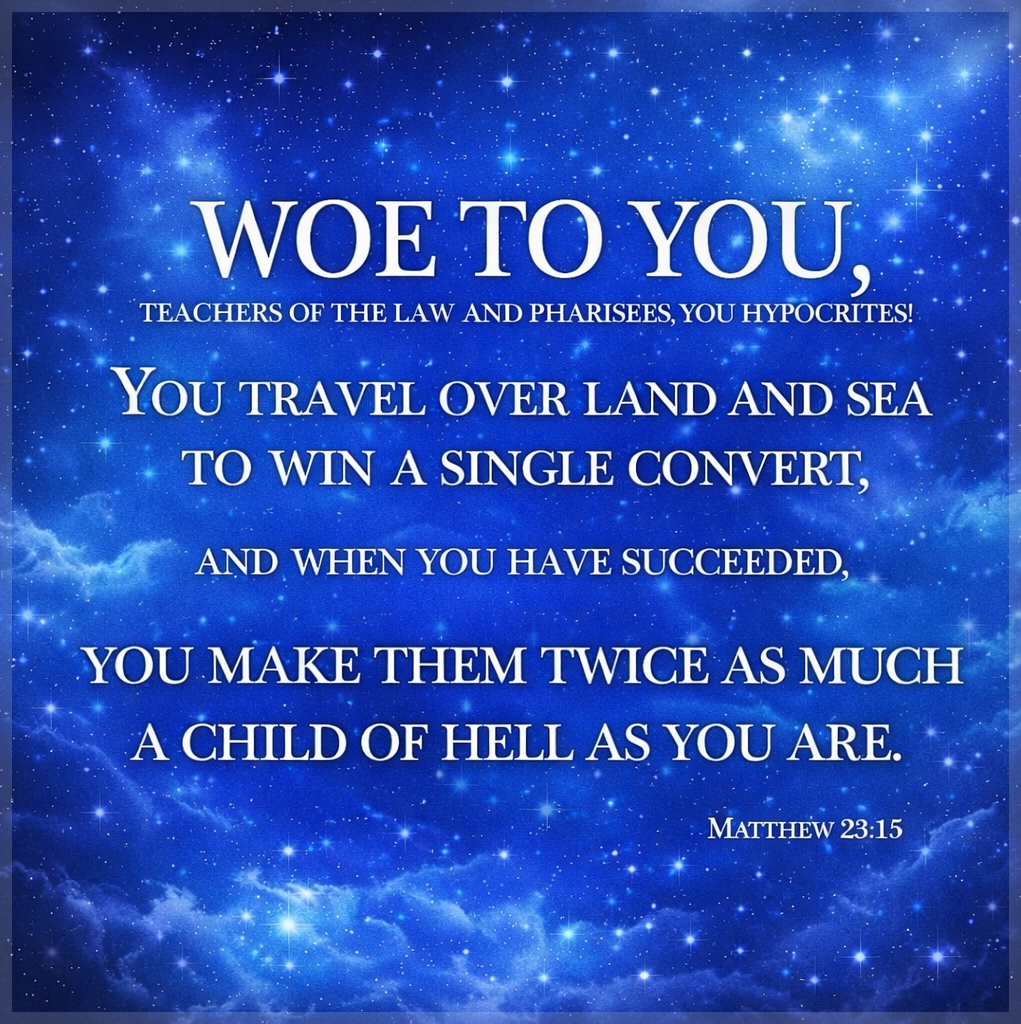
If you look out into the environments around you, you can also see how these dynamics play out on a more collective scale—where deeply unhealed religious folks, or even those who grew up in similar authoritarian households but have not yet done the inner work to heal from their upbringing, giving the benefit of the doubt that much of it isn’t always malicious but rooted in ignorance, they unconsciously collectively project their unresolved inner turmoil and unacknowledged childhood wounds onto the social atmospheres around them. This means that they recreate, on a communal level, the same dynamics of spiritual domination, psychic suffocation, and emotional strangulation that once governed their home lives as children, cloaking their unresolved generational wounding in the language of community virtue, noble duty, and even divine order. And just like in the microcosm of the family, these collective structures thrive on the energetic subjugation of independent minds, the emotional censorship of anything that disrupts their fragile illusions of harmony and peace (illusions so brittle that even the faintest expression of a different truth or authenticity outside of their accepted framework of reality feels like a threat), and just the silencing of the soul’s authenticity in general (especially if it isn’t absolutely conformed to their collective image of righteousness). This is because, in such environments, allegiance to the “right way” is just expected, whatever that even means to them in their rigid, collectively reinforced, and deeply subjective interpretation of morality—
and those who deviate from that so-called “right way” are shamed, excluded, or even branded as rebellious for daring to think, feel, or live differently from the status quo. And in this way, the same untransmuted pain, inherited trauma, and buried rage that once poisoned the family lineage of those recreating these oppressive environments—pain that often gives rise to moral rigidity, emotional desensitization, and a distorted sense of virtue—it becomes the very undercurrent of energy that animates entire communities, churches, and social systems. And it perpetuates psychospiritual paralysis, emotional anesthesia, and collective moral decay—all under the guise of righteousness, social order, and even godly purpose, when in reality, it’s just the unconscious reenactment of generational wounding.
So, if you are like me and are actively healing from the deep psychological and spiritual conditioning that came from growing up under that kind of parental tyranny—or having experienced those same oppressive dynamics from other sources outside of your familial framework—and also want to protect yourself from being re-entangled with those same patterns, whether in your personal family system or in other collective social environments that may exist around you, know that you are not alone. And that yes, things really are that deep, where the wounds left by this kind of upbringing—or by encountering similar forms of chronic invalidation, conditional acceptance, and soul-level suppression from external influences outside of the home—don’t just shape our beliefs, perceptions, or relational dynamics throughout the landscape of our life experience; they profoundly internally shape how we perceive safety, belonging, love, and even our sense of self-worth.
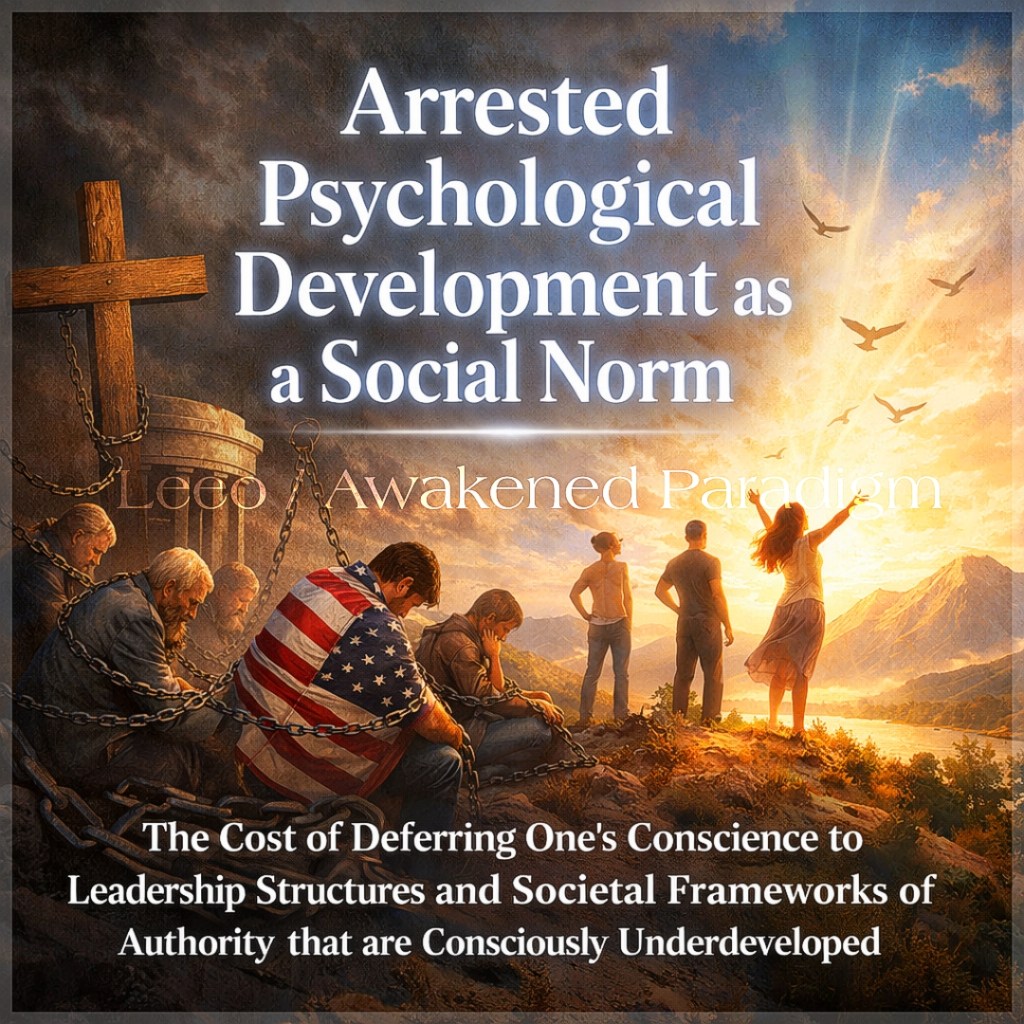
With all of that said, as you begin to heal from the psychological and spiritual damage caused by tyrannical parents, environments, or authority figures, it isn’t about blaming or staying stuck in resentment toward those who perpetuated that dysfunction—which, to be honest, is a tough journey to move through in and of itself, and even then, those feelings may never fully disappear due to the depth of the transgression against your soul’s sovereignty—rather, it’s about reclaiming your right to exist as your sovereign self: emotionally, psychologically, and spiritually free from the conditioning, fear, and control that once dictated who you were allowed to be. And while that process may feel lonely, disorienting, and even painful at times, it’s also the sacred path toward remembering who you’ve always been beneath all of that conditioning—who you were always meant to be in your own individuated divine spark of light essence. And that process of remembering your divine inheritance is, in itself, a miracle—a powerful act of resurrection, where the soul that was once silenced begins to speak again, where what was once suppressed begins to shine, and where your light no longer seeks permission to exist but simply is, radiant and free in its rightful expression.
This, of course, doesn’t mean you shouldn’t have a sense of discernment, inner grounding, and energetic wisdom in how you choose to move throughout the world going forward. Because if you’ve gotten to this point of reclamation, you’re not meant to regress in your journey, abandon your progress, or just wantonly react from old wounds or buried emotional charge (allowing yourself grace when those wounds resurface and remembering that their reemergence is often an invitation for deeper understanding—because let’s be honest, some of those wounds run so deep they feel like an inherent part of your being). Rather, it’s a point in your evolution where you begin to embody a higher expression of self-awareness, sovereignty, hard-earned life wisdom, and intuitive intelligence, leaving room for continuous refinement because healing isn’t a destination; it’s an ongoing evolution of consciousness. And that even being on this journey is a lot more than what most people can say about their own inner evolution that they’ve chosen to neglect, because it means that you’ve chosen to wake up—to start confronting what others spend their entire lives avoiding, to start feeling what others deeply suppress, and to start rising from what was meant to keep you broken. And it means that you’re no longer sleepwalking through life or through inherited patterns of religion, family, culture, ideology, or any other socially conditioned delusions of normalcy—where, beneath the surface of so many of those constructs, dysfunction reigns supreme. And instead, you are consciously choosing your own transformation over internal comfort, facing hard truths over the denial of uncomfortable realities, and your own authenticity over the pretense of counterfeit communal righteousness.
 Awakened Paradigm